

How do I get my sales team to actually follow up with old leads?
Your reps ignore old leads because follow-up was never given a number, a block on the calendar, and a script. The fix is a daily activity standard plus a coaching rhythm you run as the owner. Most owners who pull a CRM report find hundreds of leads nobody has touched in months.
Key Takeaways
- Give follow-up a number, a block on the calendar, and a script, and it stops being a someday project.
- 100/10/2 means 100 outbound attempts, 10 meaningful conversations, and 2 closes or 2 deals added to the pipeline, with at least 2 of the 3 hit every day.
- The Four Sixes splits the day into four 6-hour blocks, Sleep, Business, Relationships and Self, with follow-up inside the Business block.
- "Just checking in" gets ignored because it isn't about the lead, so scripts should reference the original conversation instead.
- Reps follow what gets measured and modeled, so the owner posts a weekly scoreboard and runs a short coaching review per rep.
- Automation can carry reminders and re-contact prompts, but a human has to carry the actual conversation.
- Old unresponsive leads should be parked for a regular reactivation pass.
Table of Contents
- Why do my reps let old leads go cold in the first place?
- What does a daily follow-up standard look like for a team?
- How should the owner structure the day so follow-up actually happens?
- What script gets a dead lead talking again?
- How many times should a rep follow up before calling a lead dead?
- How do I keep reps accountable without hovering over their desks?
- Should I automate old-lead follow-up or keep it human?
Why do my reps let old leads go cold in the first place?
Reps let old leads go cold because those leads have no owner, no daily number attached, and no scoreboard showing the work. A lead gets assigned, the rep tries two or three times, and then it sinks under this week's fresh inbound and never comes back up.
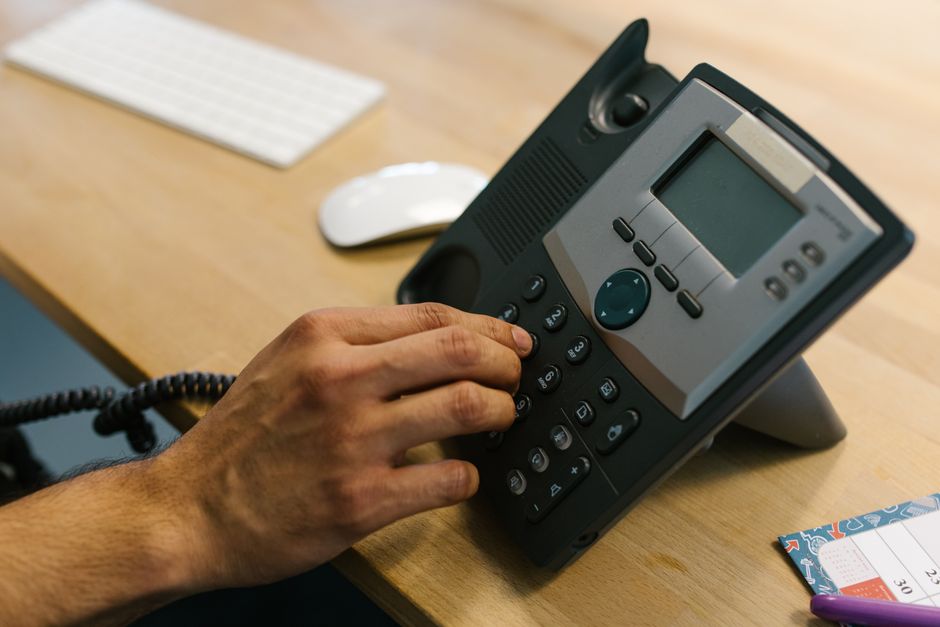
Fear plays a role too. Reps avoid calling a lead from eight months ago because they don't want to sound desperate or get cussed out. So they send a "just checking in" message instead, and that message gets ignored because it has nothing to do with the lead's actual situation.
The deeper issue is that old-lead follow-up is invisible. There's no count, no posted number, no coaching conversation about it. Reps follow what gets measured and modeled, and if you never measure old-lead attempts, the work quietly disappears.
What does a daily follow-up standard look like for a team?
A daily follow-up standard looks like 100/10/2: 100 outbound attempts across calls, texts, emails and DMs, 10 meaningful conversations, and 2 closes or 2 deals added to the pipeline, with at least 2 of the 3 hit every day. That's the floor. Hitting 2 of 3 keeps the day honest when the close column stays empty.

Old-lead follow-up fits inside the 100 attempts. If a rep makes 100 outbound attempts, 40 of them can be old leads and 60 can be fresh inbound. The math still works. The standard replaces vague instructions like "work your pipeline" with a countable target a rep can hit before lunch. If you want the full playbook for working the old list itself, start with how to follow up with old leads.
How should the owner structure the day so follow-up actually happens?
Structure the day with the Four Sixes from my book Call The Damn Leads: four 6-hour blocks for Sleep, Business, Relationships and Self. Follow-up gets a fixed slot inside the Business block, not a vague promise to "get to it later." A 90-minute follow-up block before the day's inbound chaos starts works for most teams.
Give follow-up a number, a block on the calendar, and a script. That's the backbone of the routine. When reps see the owner running the same block at the same time every day, the behavior gets modeled. You're setting the rhythm and they're joining it.
What script gets a dead lead talking again?
A script that gets a dead lead talking again references the original conversation instead of saying "just checking in." C.A.L.L.S. gives you the structure: Confirm the reason you're speaking, Ask relevant questions, Listen intently and take CRM notes, Lay Out a plan, Secure the bag.
Here's a text a rep can copy today, using a roofing company as the example: "Hey [first name], it's [rep name] with [company]. You asked about a roof estimate last spring and we never got you the final number. I've got it ready now. Want me to send it over or call you for two minutes?" It's about their roof, so it gets a reply.
A voicemail version: "[First name], it's [rep name] with [company]. You reached out last spring about your roof and we dropped the ball on the final number. I've got it in front of me now. Call me back at this number and I'll walk you through it in two minutes." The lead hears a real reason to call back. "Just checking in" fails because it isn't about the lead at all.
How many times should a rep follow up before calling a lead dead?
More than your reps think. Most reps give up after two or three attempts. That's like putting $20 in the machine to pay for five spins and only pulling the lever three times. Mix the channels, calls, texts, email and DMs, and keep going until the lead buys, books, or tells you to stop.
When I was starting out in insurance, the training center handed me a piece of paper with one guy's name on it. I followed up with him every other month for five years. One day he walked in the door and said it didn't matter what it cost, he needed an agent who was going to be around. Sign me up. That deal closed because I was still there when he was ready.
So when a lead goes quiet, park it. Put the whole quiet pile on a regular reactivation pass, and keep calling fresh inbound fast, because whoever gets there first usually gets the first real conversation.
How do I keep reps accountable without hovering over their desks?
Keep reps accountable with a simple weekly scoreboard: attempts, conversations and closed deals per rep, posted where everyone sees it. One short weekly review per rep, one script drill, and one live call listen is the coaching rhythm that makes the scoreboard mean something.
When a rep games the numbers with junk dials, you'll see it in the conversation column. A hundred attempts with two conversations means the dials were garbage. The fix is a script drill and a live call listen. Make Them Dial is the owner's guide I built for this exact problem, with a 30-day plan for setting the calling standard, the scoreboard and the coaching rhythm.
Should I automate old-lead follow-up or keep it human?
Automation should carry the reminder, and a human should carry the conversation. Let your CRM handle logging, reminders, sequences and re-contact prompts, and let it send a first nudge to a big pile of dead leads so your reps know who raised a hand.
The problem is when automation tries to carry the whole conversation. That reads as spam and burns the list. Compliance basics still apply: consent and opt-out rules matter when you re-contact dormant leads. Keep the reminder automated and the conversation human, and you get the reach without the damage.
Frequently asked questions
How do I get my sales team to follow up with old leads?
Give the work a number, a block on the calendar, and a script. Put old leads inside the daily 100/10/2 standard, run a fixed follow-up block every morning yourself, and post a weekly scoreboard of attempts, conversations and closes per rep.
Why don't sales reps follow up?
Because nobody measures it. Old leads have no owner, no daily number and no scoreboard, and reps are afraid of sounding desperate on a call to someone they ignored for months. Reps follow what gets measured and modeled, so put old-lead attempts on the scoreboard and run the block yourself.
Should I delete old leads that never respond?
No. Park them and put the whole quiet pile on a regular reactivation pass. Plenty of deals close years after the first contact because the rep was still there when the buyer was ready. I once followed up with an insurance prospect every other month for five years before he walked in and signed.


Leave a comment